
SECTION27 – Staying the Course from Courtroom to Classroom
What does it take to turn constitutional promises into lived reality? For SECTION27, it has meant persistence, adaptability, and more than a decade of work supported by the Constitutionalism Fund.
Beginning in 2015, SECTION27’s work on Life Esidimeni shows how long-term constitutionalism plays out in practice: engaging with Gauteng’s health department to prevent unlawful transfers of patients; seeking an interdict when that failed; representing families in arbitration to secure truth, apology, and damages; and pressing for an inquest when prosecutions stalled. Over three years of hearings, SECTION27 alone argued that specific conduct caused deaths, opening the door to prosecutions despite deep institutional resistance. “We had no idea it was going to take 10 years,” one respondent reflected. “We had to playthe role of lawyers in so many different ways”, including helping families to organise as mental-health activists.
SECTION27 also carried forward the Komape case, where a five-year-old drowned in a pit latrine. What began as one family’s tragedy became system-level change: the court ordered the Limpopo Department of Education to report on progress every six months. SECTION27 has monitored those reports, checked hundreds of schools, and pushed for compliance, reducing unsafe schools from over 600 to only a handful. As they note, this kind of monitoring “aftercare” is not what most people associate with law, but it is what it takes to make rights real.
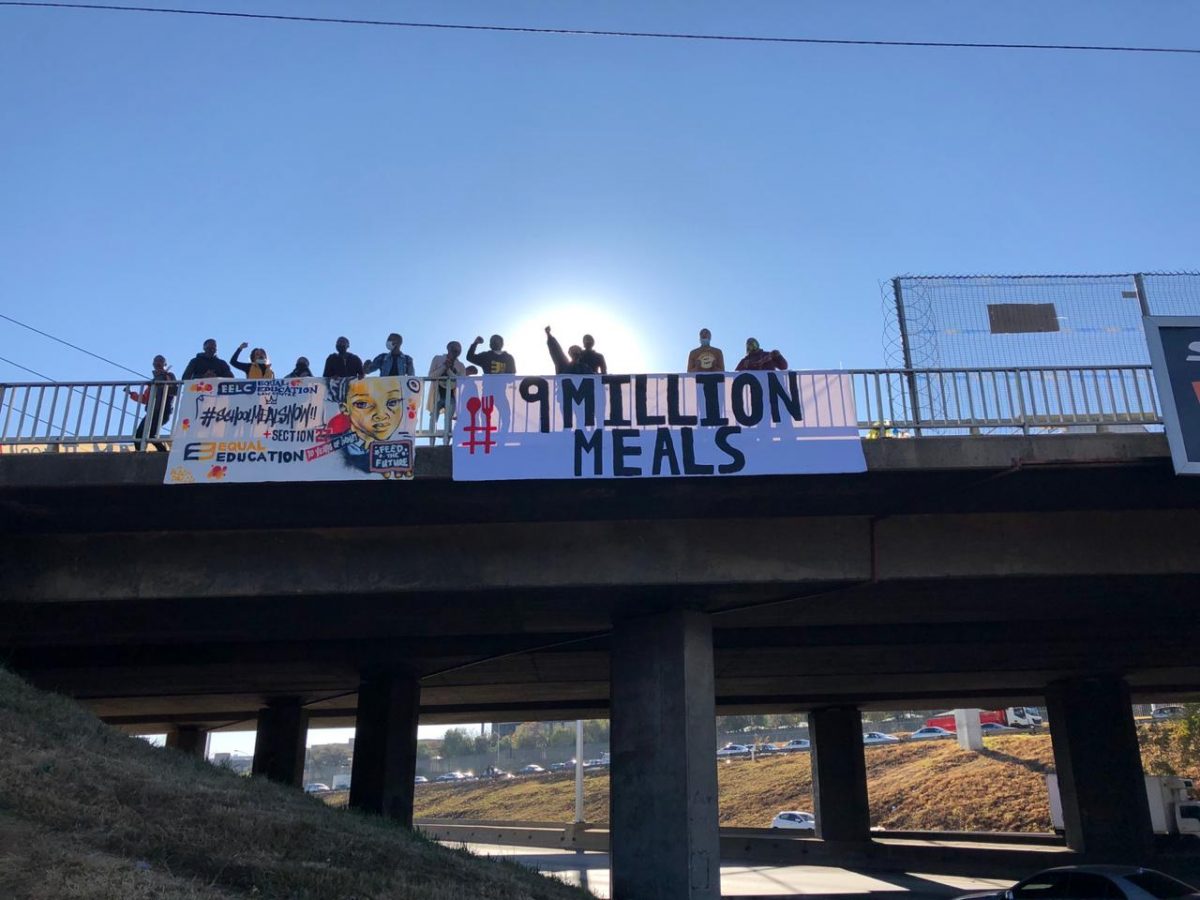
During the COVID-19 pandemic, SECTION27 joined Equal Education, EELC, and LRC to restart the National School Nutrition Programme for over 9 million learners. The court’s order required regular reporting, but partners went further – phoning schools, verifying delivery, and feeding discrepancies back to government. The outcome: a stronger monitoring system for school nutrition that has lasted beyond the crisis.
These achievements were possible because the Constitutionalism Fund trusted SECTION27 with flexible, core support. As one respondent put it, the Fund “bought into being able to lead and adapt, rather than pre-pledged outputs”. It also resourced allied organisations, making collaboration the default – from joint litigation to shared verification – even though shared funding also meant shared risks.
Internally, SECTION27 used this support to navigate a leadership transition, expand its executive structure, and deepen transformation. Today, it is majority Black and led entirely by women, from Executive Director to Board Chair. It has also built sustainability by embedding rights literacy – training thousands of learners and communities in sexual health, violence, and corporal punishment – and by shifting budget advocacy towards questions of equity, revenue, and austerity.
SECTION27’s story shows that constitutionalism is not abstract. It is lived, contested, and defended in schools, health systems, and communities and it requires long-term, flexible funding to make rights tangible.
Extract from the Stategic Review Report.
